Mid-19th Century Winter Hood

The patterns given here create a warm, comfortable winter hood for both women and toddlers. The shape is appropriate for mid-19th century and a hood is a wonderful thing to have for chilly mornings at Civil War reenactments, or for use in historic settings (or modern, if you dare!) in the colder months of the year.

For practicality, make your hood out of wool for the outer layer. For the lining, choose anything that is slippery - silk, polished cotton, etc. For my boys I used plain cotton to line the hoods with so I could easily clean them. At their age they tend to get everything they wear quite filthy! For the ladies hood I used silk for the lining.

You might also wish to add (and I strongly recommend) an inner layer of insulating fabric (read: wool) or wool batting. This can be quilted just to the lining or may be quilted to both the lining and outer layer like a sandwich.

You will need the following pattern pieces:

Women:
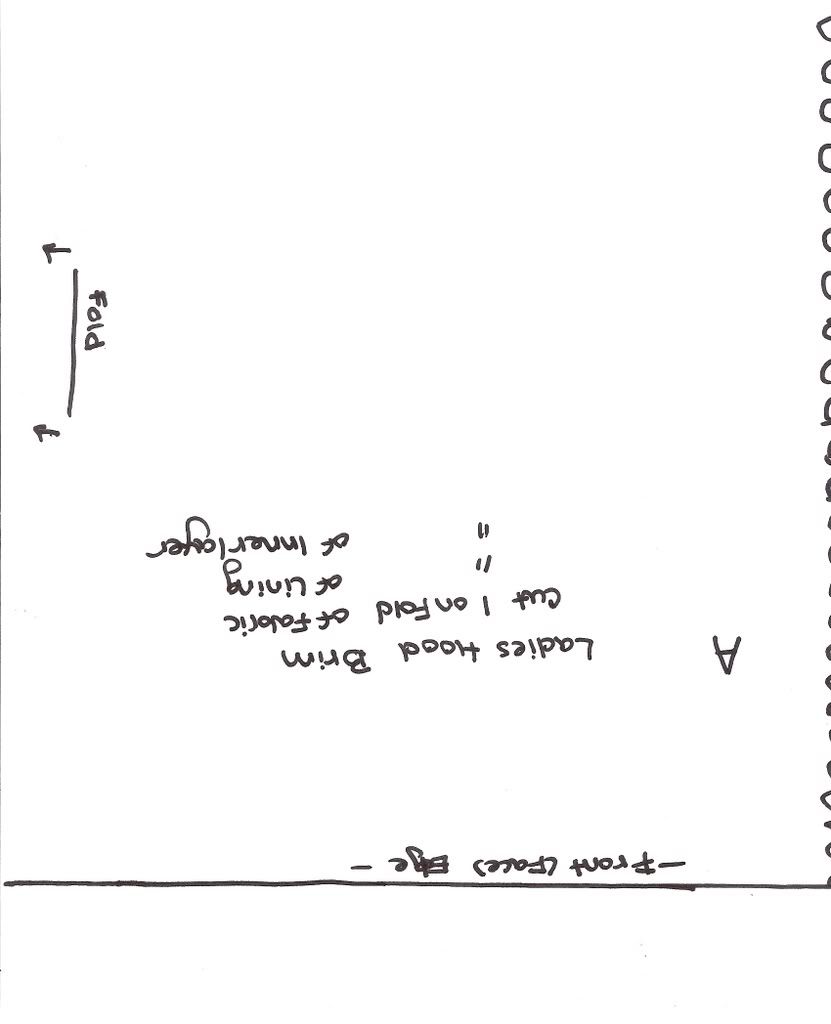
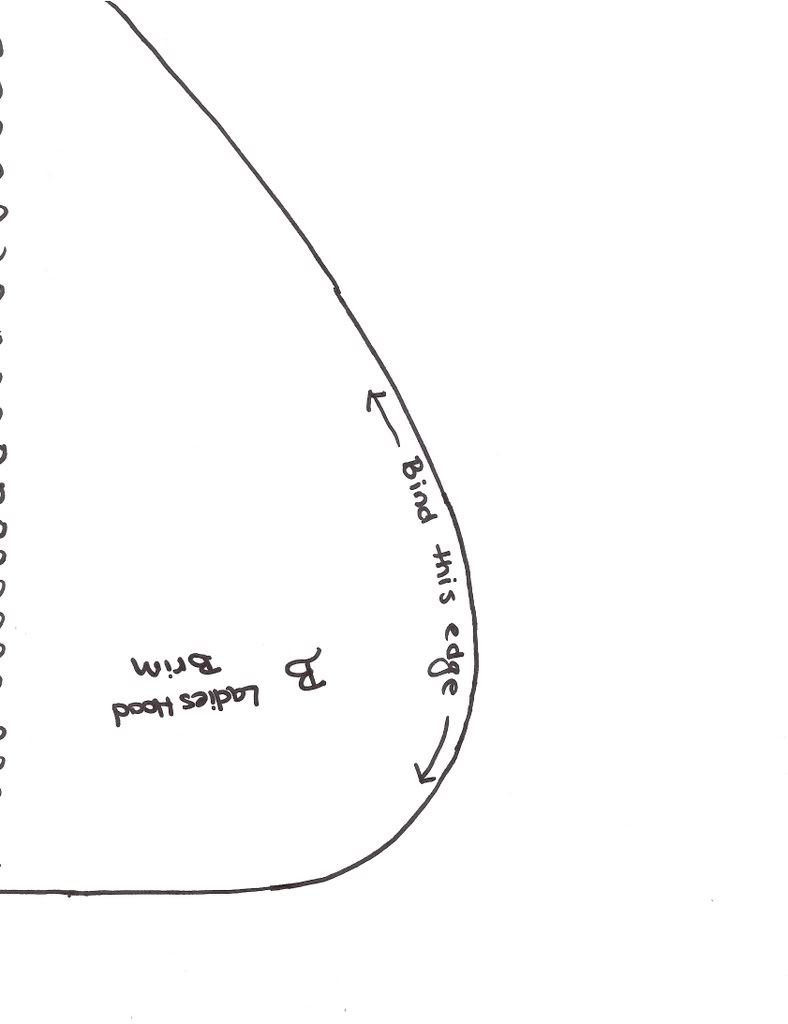
Brim A

Brim B (tape to A)

Crown

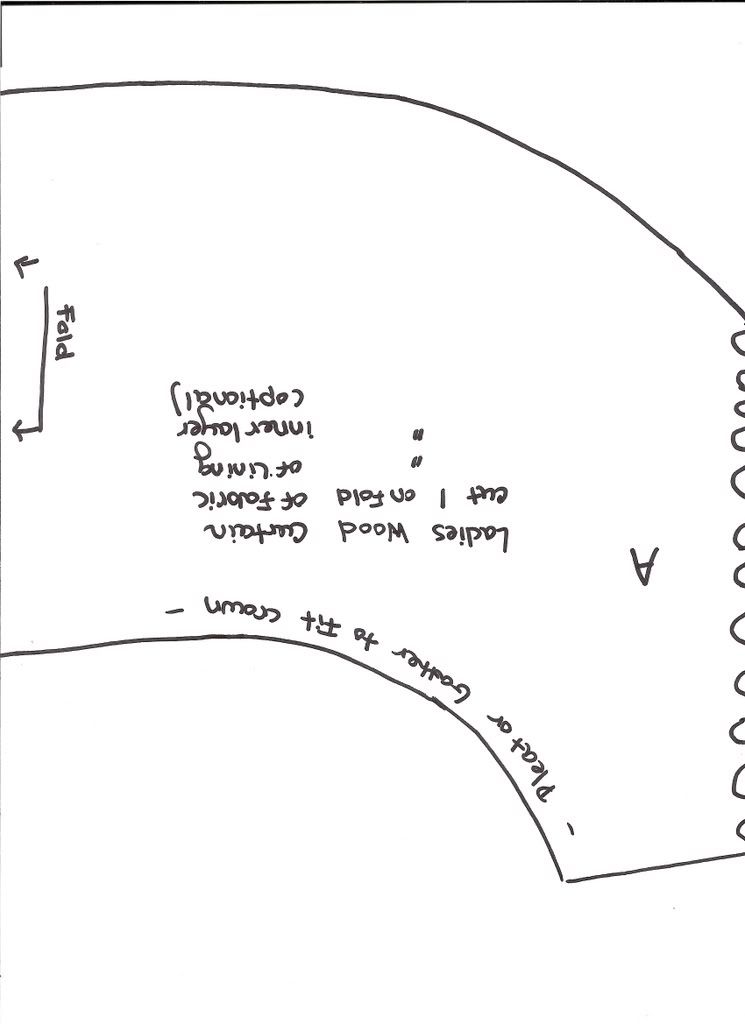
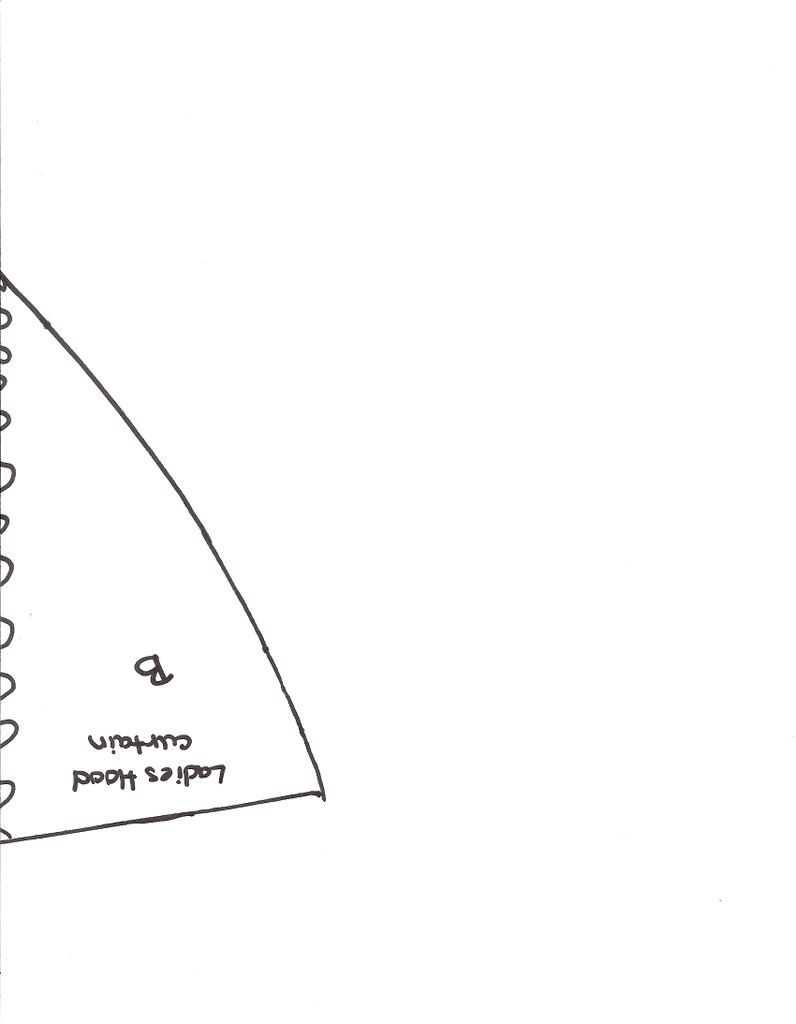
Curtain A

Curtain B (tape to A)

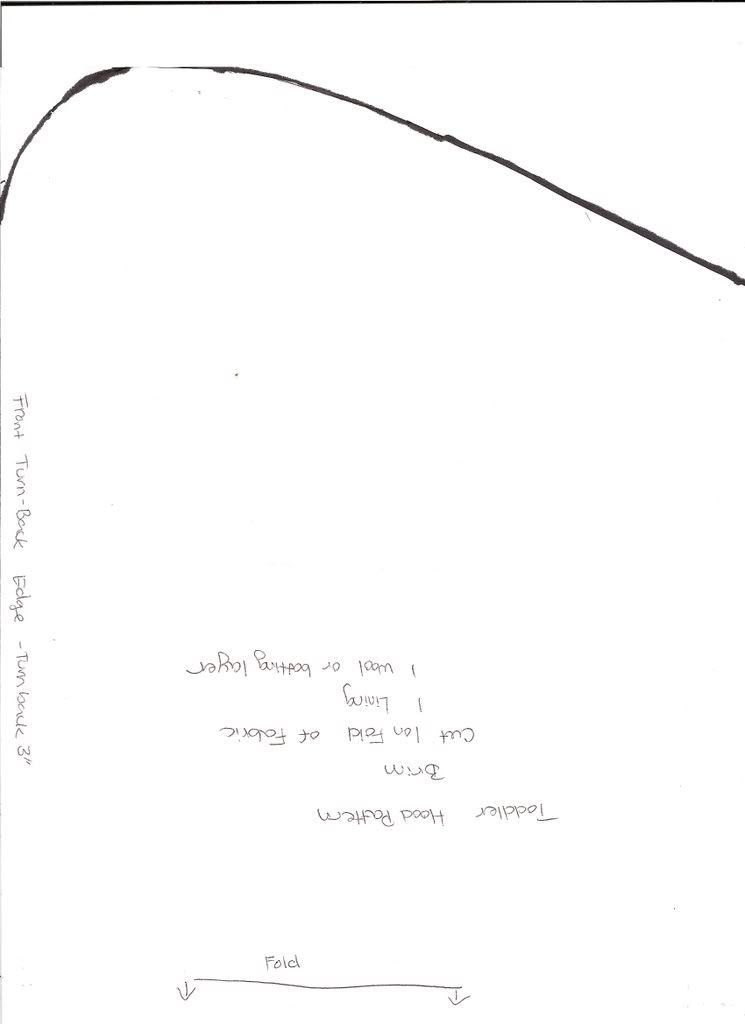
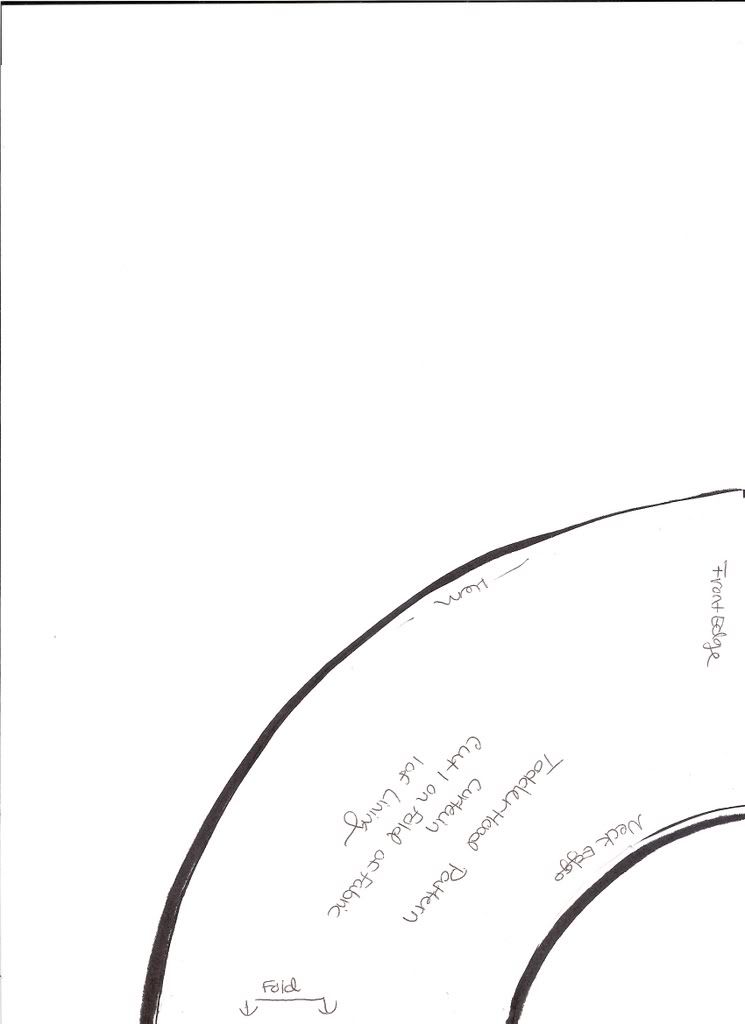
Toddler:


You will also need to reserve some fabric to make ties, if desired. You could also use ribbon for ties if you would rather.

From your fabric cut the following:

Brim - 1 in Fashion Fabric, 1 in Lining, and 1 in Insulating Layer (if you are using wool batting for this layer, also cut an additional lining piece so you can sandwich the wool between the two while quilting. This makes it far easier to quilt and also reduces shedding wool which can creep up between the fibers of your outer layer).

Crown - 1 in Fashion Fabric, 1 in Lining, and 1 in Insulating Layer. If using wool batt, see information as for brim.

Curtain - 1 in Fasion Fabric, 1 in Lining and 1 in Insulating Layer. (if fashion fabric is quite heavy/bulky I usually do not put batting in the curtain. Wool flannel is a good choice to use for the insulating layer here).

Construction:

Brim

For Brim Quilted Through All Layers ~ stack your lining piece, inner piece and fashion fabric piece on top of each other. Make sure the right side of your lining is facing DOWN and the right side of your fashion fabric is facing UP. Baste together. Quilt as desired.
For Brim Quilted Through Bottom Layer Only ~ stack your lining piece, inner piece and additional lining piece on top of each other. Make sure the right side of your bottom lining is facing DOWN. Quilt as desired.

To finish brim, cut strips of binding fabric on the bias to the length needed to go around the face edge of brim and the short, curved edges. Bind.

Crown:

Stack your lining, inner layer and fashion fabric on top of each other. Quilt as for brim above.

Pin crown into brim, matching edges. The crown should ease into the brim with no pleats or easing stitches necessary. If you find you do need pleats or easing stitches, put those in so the crown and brim fit neatly. Stitch with a 1/2" seam allowance. Finish seam with binding.

Curtain:

Lay your fashion fabric and lining right sides together. Stitch with a 1/2" seam allowance along short edges and long, circular curved edge. Trim seam and turn right sides out. Press well.

Pleat the straight edge of your crown to fit the back of your neck comfortably. Pleat the raw edge of the curtain to the same measurement. Pin curtain to crown and stitch with a 1/2" seam allowance. Bind this seam as well.

To finish:

Add ties and decorations as desired!
Enjoy!

Mid-19th Century Infants Gown

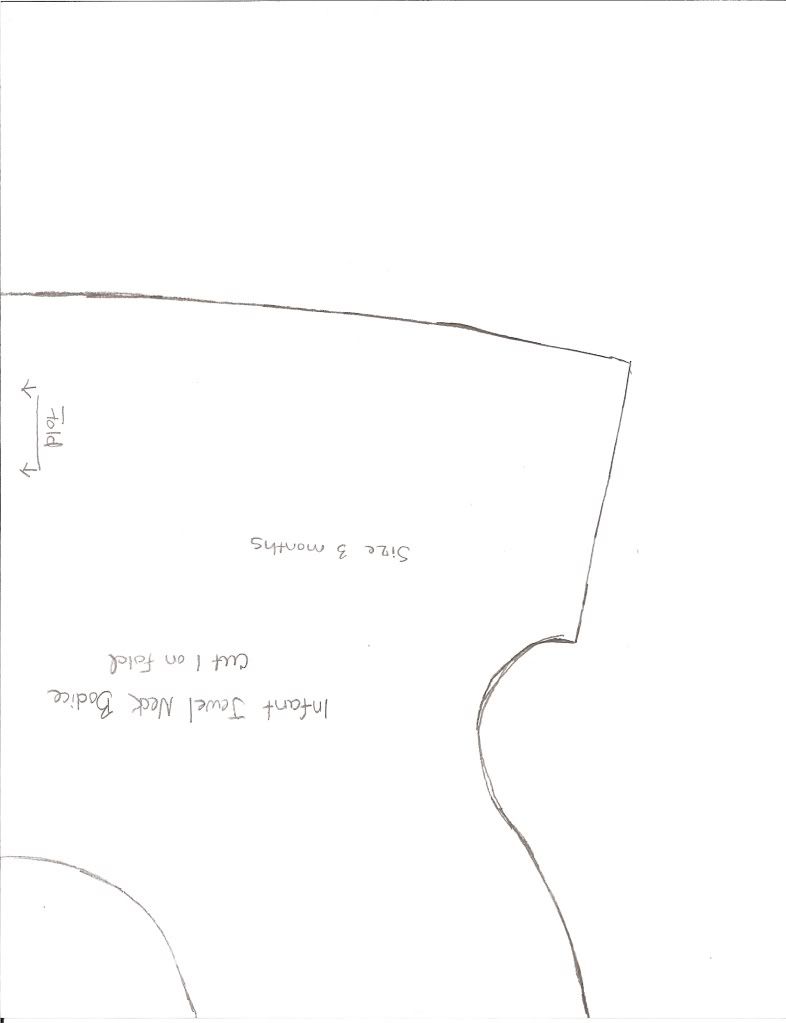
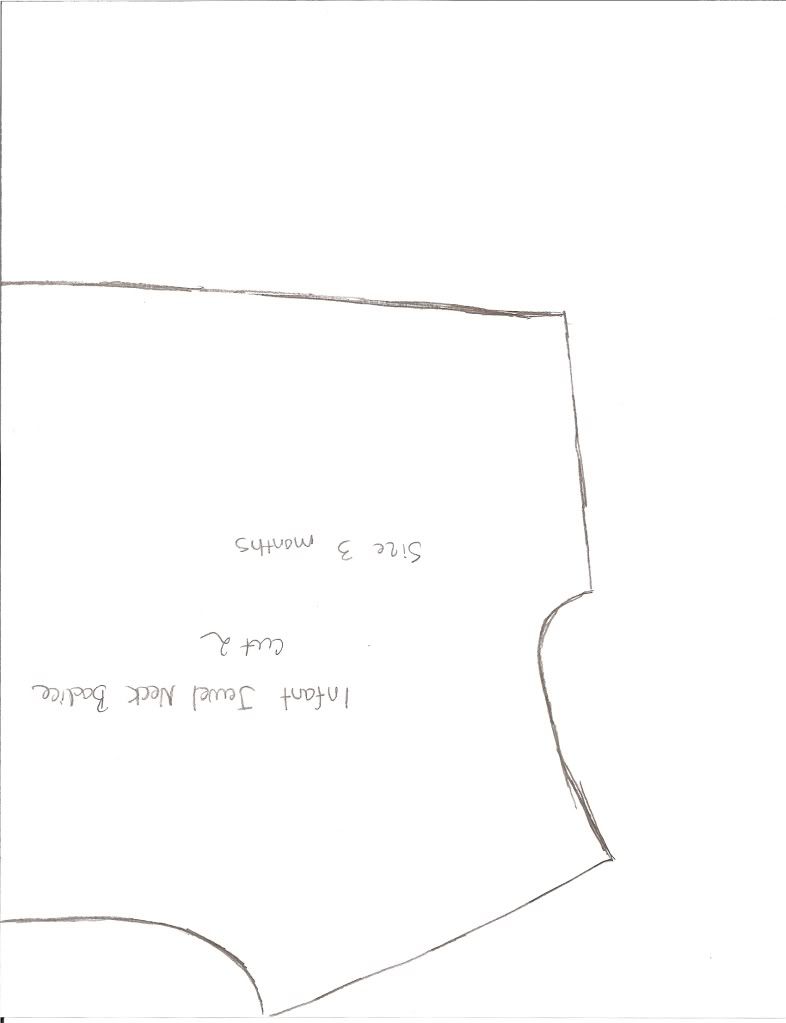
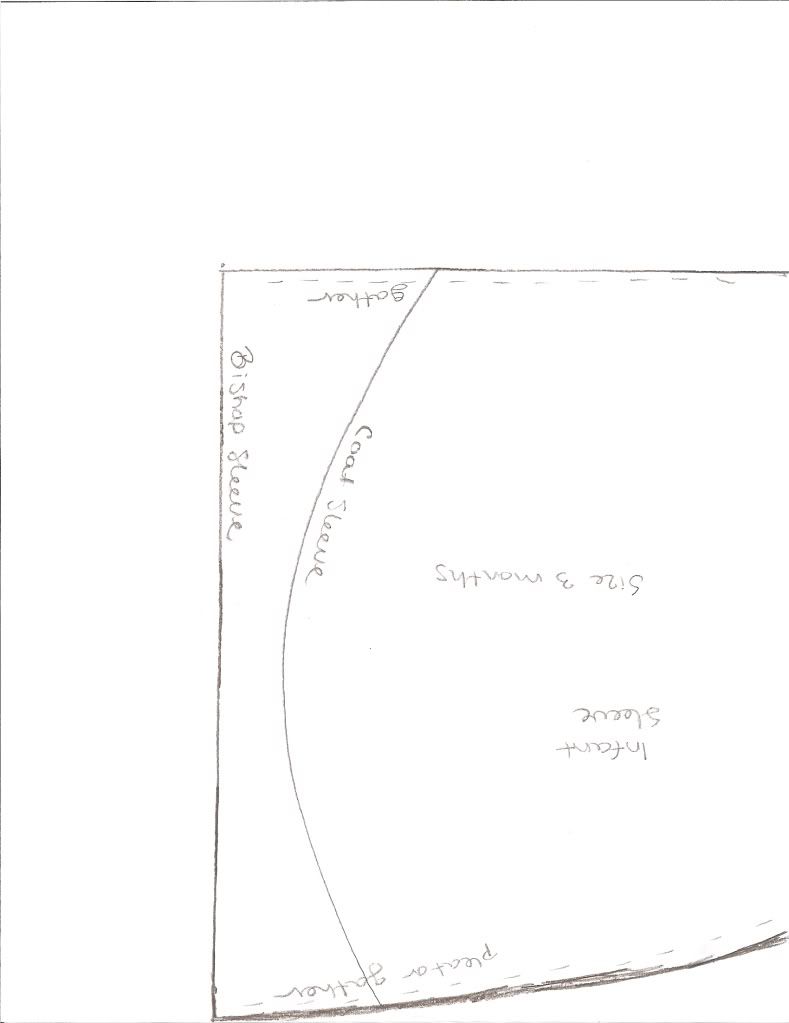
This is the pattern I created for the gown that Malachi wore to the 200th birthday celebration of Abraham Lincoln in February, 2009. This is a size 3 months or so. It can easily be made larger or smaller by following the directions in the tutorial, How to Resize a Pattern, found on my side link list.
I give here only the pattern shapes for the bodice and sleeves. The skirt is made of rectangles which you measure and cut to fit your particular baby and style. The skirt can be nearly any length, but for an infant should at least cover the feet. For an older baby cut the skirt to ankle length or above and for toddlers, knee length to mid calf length is ideal. For Malachi's infant dress I made the skirts about 30" long and 60" wide.

For your gown, you will need the following pattern pieces:


You will also need the following pieces, which you will cut and measure to your needed length/width:

Sleeveband (for gathered sleeve): Measure around your baby's wrist and add 2.5" for seam allowances and enough ease to get the hand through. Make as wide as you like. I prefer a 1" wide finished width as that is an easy measurement to work with. So, for a 1" wide finished width make your sleeveband 3" wide.

Waistband: Cut as for sleeveband, except taking waist measurement instead. Make sure this is *not* a constricting measure and keep it fairly loose and comfortable for a happy baby. Take into consideration overlap measures and seam allowances.

Waistband Lining: Cut as for waistband. Can be cut of lining fabric rather than fashion fabric, if desired.

You will also need some bias strips for finishing the neckline and sleeves (if you make coat sleeves) as well as optional piping at the waistband and armscyes. Make sure this is cut of fashion fabric. Contrasting piping is very rarely seen on original childrens gowns from this period. It is better to use self fabric piping/bias strips unless you have a particular example with contrasting piping that you are copying. Use small cotton cord for your piping and a zipper foot on your machine for a snug, tidy look.

To assemble gown: *Note*: All seams given for a 1/2" seam allowance, unless otherwise noted.

Bodice:

Stitch bodice front to bodice backs at side and shoulder seams. Press towards back.

At back opening, turn under 1/4" on raw edge. Turn under again and press to create self facing. Stitch and press.
To finish neckline, either pipe neckline or finish with a bias facing. Press.

If piping armscyes, try the bodice on your child to make sure the arm is not too snug. Once proper fit is obtained, pipe armscyes.
Sleeves:
For a coat sleeve, sew outer arm seam, right sides together. Turn right side out and press. Hem the bottom edge or if desired finish with piping or a bias facing.

For a gathered sleeve, sew your sleevebands together, right sides together. Press seam open and turn right sides out. Run gathering stitches along the bottom of the sleeve and draw up to fit sleeve band. Pin to one side of sleeve band and stitch. Remove gathering stitches and press under 1/2" to the wrong side on the free edge of your sleeveband. Pin this to the seam, enclosing seam allowance. Stitch. Press.

Take up pleats or gathers at the top of the sleeve to fit the armscye opening. Pin sleeve into bodice, matching the shallow V-shaped area of the sleeve head (opposite the outer arm seam) to a position approximately equal to your childs breast line. The back seam should be in alignment with your childs back arm, over the elbow. Do *not* match the seam or shallow v to the bodice side seam as this creates an improper look and will be uncomfortable to wear.

Waistband:

If piping waistband, do so now. Do not pipe short edges.

Pin waistband to bodice, extending 1/2" on either side of bodice back opening. If needed, ease bodice into waistband with gathering stitches. Stitch waistband to bodice, right sides together. Press seam towards waistband.

Skirt:

Cut two rectangles the length and width desired. Sew together and press seams towards back. Cut a short placket into the skirt at center back and finish with a strip of fashion fabric. Hem the bottom of the gown as desired.

Run gathering stitches at the top of the skirt, or, if desired, pleat the fullness to fit the waistband, extending the waistband 1/2" on each side of skirt placket. Stitch skirt to waistband. Remove gathering stitches.

Finishing:

Press extended edges of waistband to inside of gown. On waistband lining, press under 1/2" all around. Pin waistband lining to waistband, enclosing all seam allowances. Stitch waistband lining to waistband around all edges.

Sew hook and eyes to back of gown to close it, or make small buttonholes and sew corresponding buttons to bodice back.

Enjoy!

Toddler / Baby Mid-19th Century Sunbonnet

This sunbonnet pattern was inspired by this original bonnet at the Wisconsin Historical Society website. It features a wide brim that can be stiffened with quilting or cording, a full back crown and a curtain at the neck to provide sun protection for little ones.
I made my boys sunbonnets in cotton for coolness. You can use any light cotton. Beware of sheers though - although they are accurate and pretty to use, they do *not* provide good sun protection and it is very easy to get sunburned!

Variations: You could also use this same pattern to make a winter bonnet or hood for your little ones. Use wool or silk for the outer layer, wool batting for the inner layer (peeled thin) and a slippery fabric such as silk or cotton sateen for the inside layer.

Size: This was drawn to be roomy on an 18 month old child. I think it would easily fit a child up to 4 yrs. of age, or more, depending on head size. To increase this pattern to a larger size, please visit the link in my sidebar on how to alter pattern size.

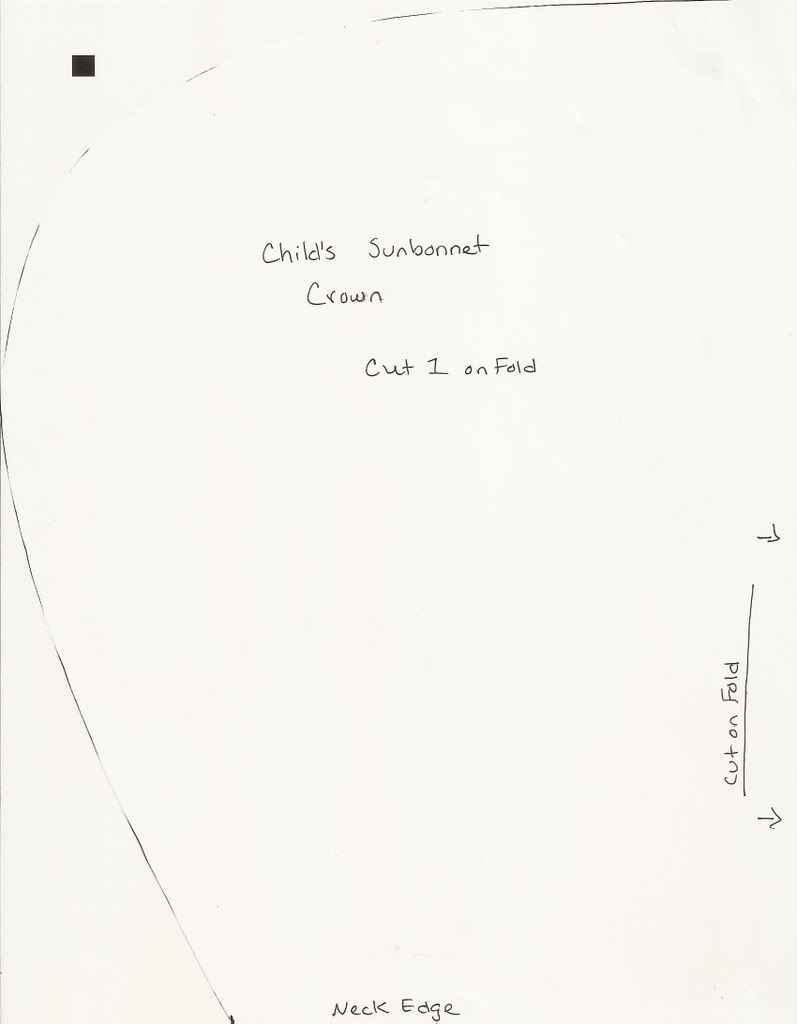
You will need these pattern pieces:


Cut a rectangle about 4" wide x 12" long for your curtain piece

From your fabric, cut the following:

2 Brim Pieces

1 Crown Piece

1 Curtain Piece

You will measure and make the ties after the bonnet is assembled.

Assembly:

Making the Brim:

Lay your brim pieces on top of each other, right sides together. Pin along short edges and longest edge. Stitch, using a 1/2" seam allowance. Trim seam, clip corners and turn. Press well. If you will be quilting or stiffening your bonnet brim, now is when I would do that. It is easier to work with a flat brim than one that is attached to the rest of the bonnet. I originally made my boys bonnets with no stiffening at all but later added rows of machine stitches to stiffen the brim up.

*Note: On the original bonnet, it appears that the brim is made of one layer of fabric and hemmed at the exposed short and long edge, rather than being made of two layers of material. This would definitely be cooler, so feel free to make your brim this way if you would like!
Making the Curtain:

Press up a narrow hem on the short edges and one long edge of your curtain piece. Stitch hem in place. Run gathering stitches at the top of the curtain piece along the raw edge. Set aside.

Making the Crown:

Run gathering stitches along the rounded edge of the crown. Pull up to fit brim, pin in place and stitch with a 1/2" seam allowance. Bind off seam to finish, or overcast seam by hand.

Pull up curtain gathering stitches to fit the straight bottom edge of crown. Stitch, using a 1/2" seam allowance. Press seam up towards crown. You will bind this seam to finish, but before attaching the binding, stitch two eyelets in the center of the binding strip. Pin binding over seam. Before stitching, thread cotton cord or twill tape through eyelet holes to the seam between crown and brim. Pin cord or tape to seam, stitch to secure. Finish stitching binding. You will now have an adjustable drawstring at the neck to adjust for size as your child grows.

Ties:

Decide how wide you want your ties to be, and how long. Make sure they are long enough to tie in a generous bow at your childs neck. Cut two strips of fabric as long as your measurement and twice as wide as your width measurement, plus 1" for seam allowances.

Press strips in half lengthwise. Stitch around long edge and one short edge, using 1/2" seam allowance. Clip corners and turn. Press well. Turn in seam allowance at top of ties to inside of ties. Pin to bonnet and stitch securely into place by hand.

Enjoy!

1940's Toddler and Baby Rompers

These rompers were inspired by these original 1940's rompers from the Wisconsin Historical Society website.


For more photos of the finished rompers and the boys wearing them, please visit this link: My 1940's Boys

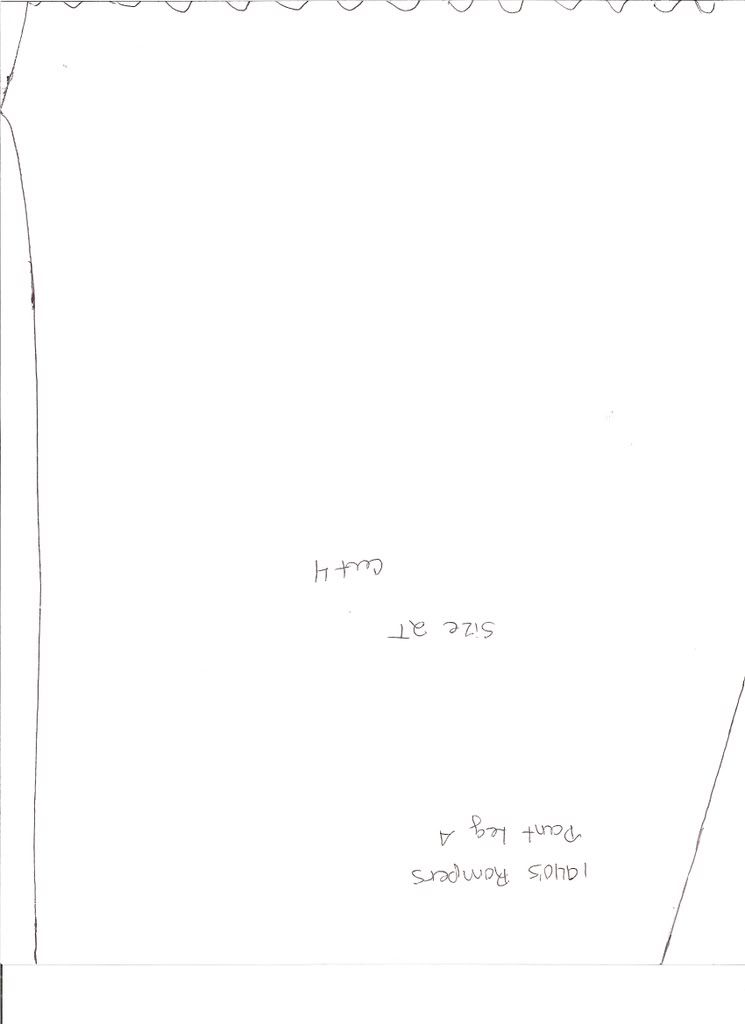
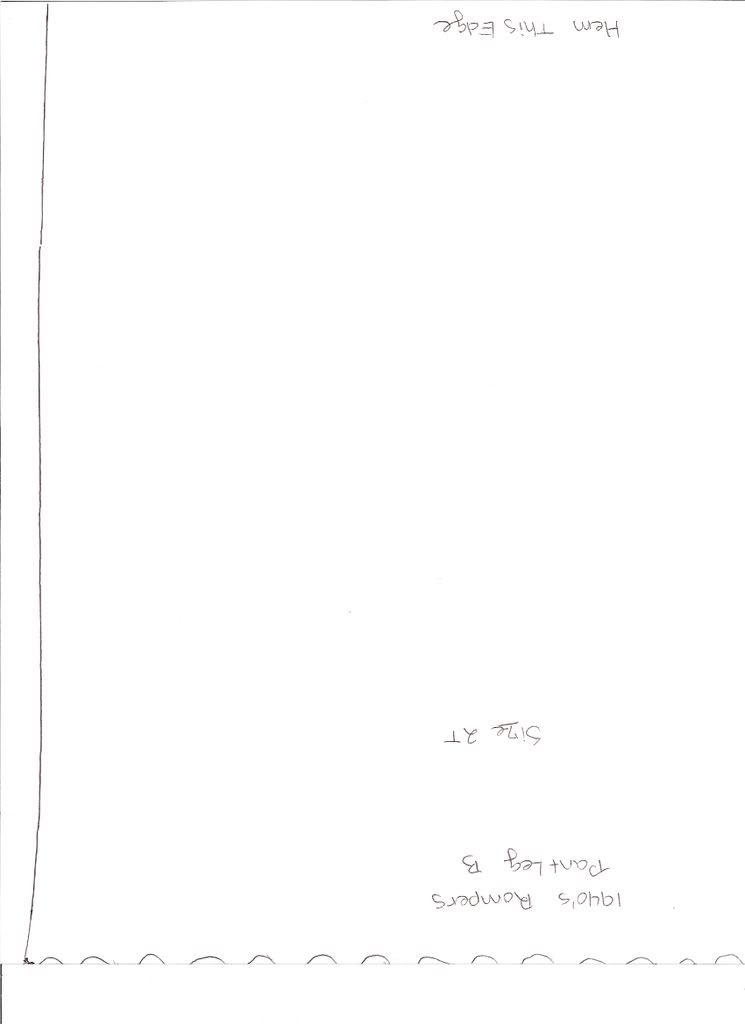
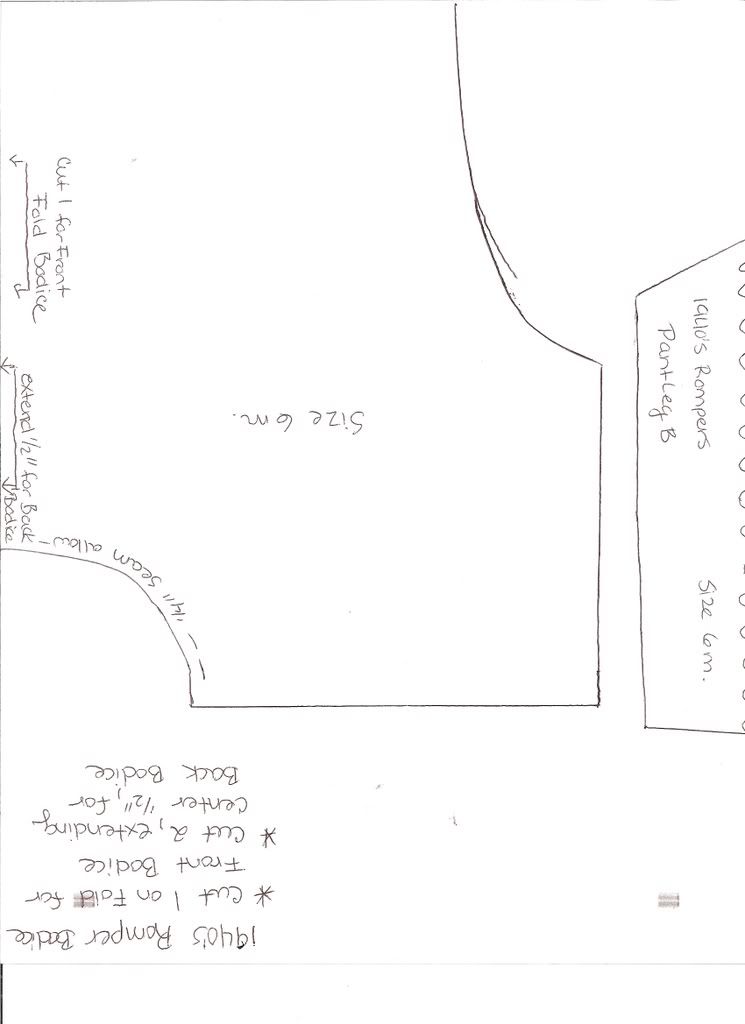
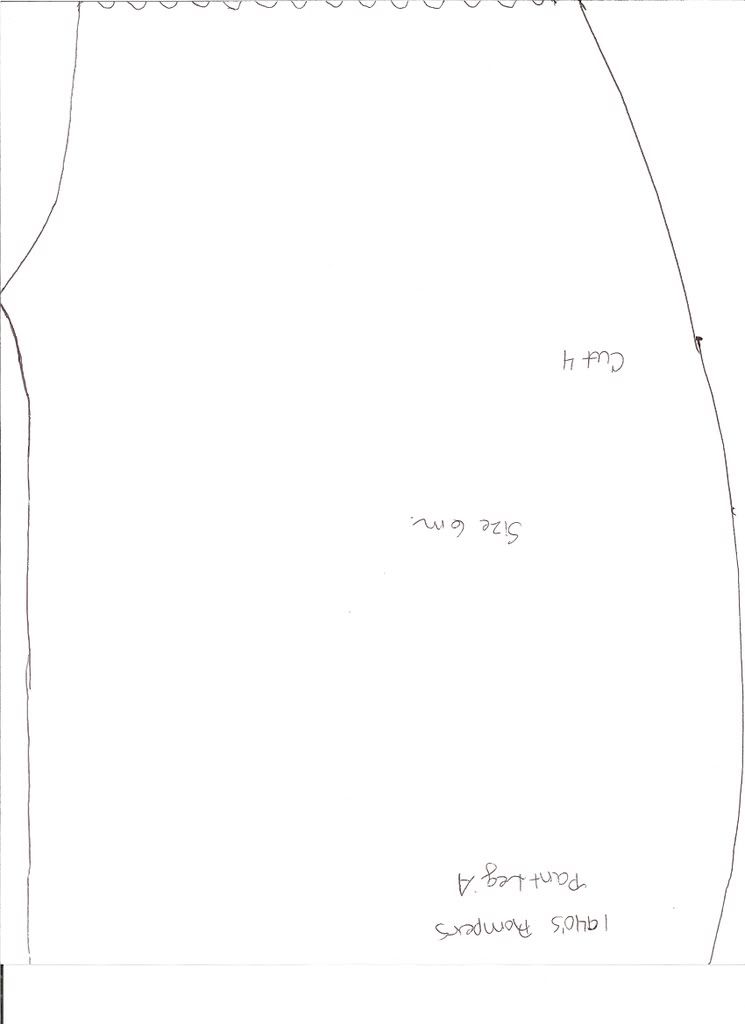
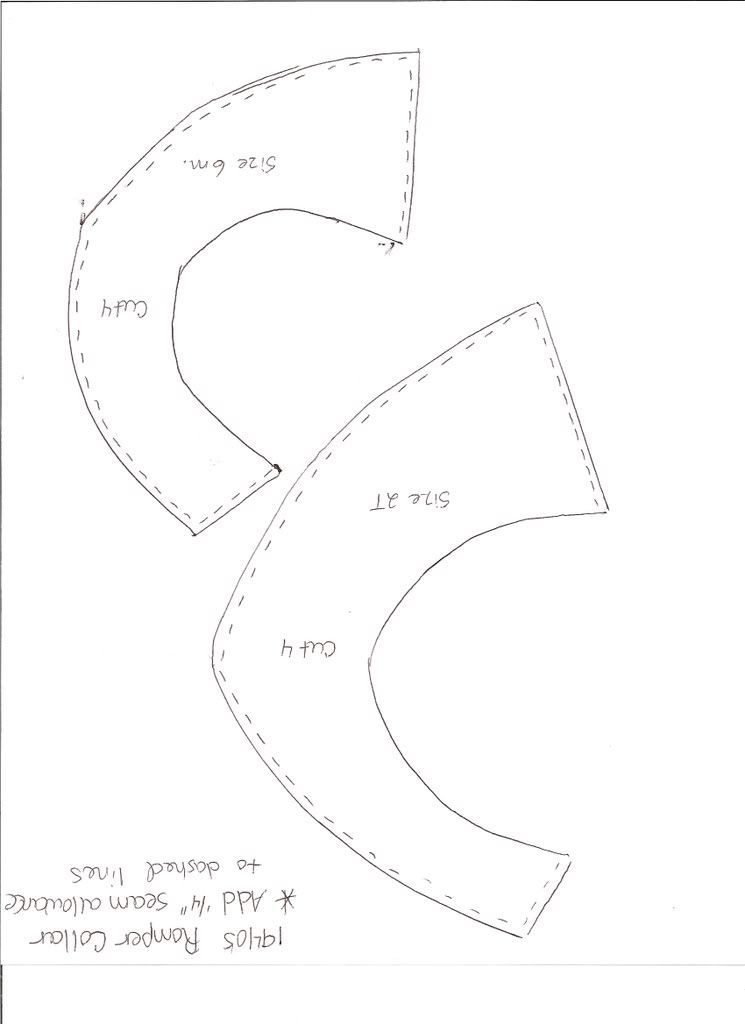
Here are the pattern pieces I drafted to use for my little sons, in sizes 2T and 6 months. Following are the scans of the pattern pieces and instructions for sewing them. If anything doesn't make sense, please let me know either through the comment section or direct email at david_sarahmeister @ mchsi.com (omit spaces). If you create your own garments from these please let me know how these work for you and share pictures, if you can! :)

Love,

Sarah

Romper Bodice, 2T

Romper Pant, 2T PIECE A

Romper Pant, 2T PIECE B

Romper Bodice, 6 months

Romper Pant, 6 months

Collars


*The pant pieces, both sizes, are composed of two seperate pieces to enable them to fit on standard computer paper. Print out the size you want and tape the two pieces together along the wavy lines to get the correct pattern piece. *

1940’s Romper Assembly Instructions

Prewash and dry all fabric, even if you are recycling an older garment to make this outfit. If recycling, remove all buttons, zippers, trims, etc. and press the material well before cutting out your pieces.

From your fabric, cut out the following:
1 Bodice Front, cut on the fold
2 Bodice Backs, cut with the center line extended ½”
4 Pant Legs
4 Collar Pieces (from coordinating/contrasting fabric)

Reserve some fabric, or scrap fabric in a coordinating/contrasting color, for waistbands and sleeve bands. You will measure and cut these after the garment is assembled. You will also need some scrap fabric for a bias strip to finish off the neckline.

Notions: Thread, six buttons, hook and eye for neck. For 6 m. size, you will need snaps to sew into place for the crutch seam.

Collar:
Lay out your collar pieces, one of top of the other, right sides together. You will make two collar pieces that are mirror images of each other. Pin baste the collar pieces together and sew around short and curved edges, using a ¼” seam allowance. Trim seam, clip curves and turn right sides out. Press and set aside.

Bodice:
Sew Bodice Front and Bodice Back pieces together at the shoulder and side seams. Pin baste into place, and sew, using a ½” seam allowance. Finish seams for smooth interior. (on my rompers, I used French seams but that made puckers in the curved areas, so I had to clip there).
Sew center back seam of bodice, using ½” seam allowance. Stitch from bottom edge of bodice to 4” from top of bodice. Clip to seam at the top of the seam you just stitched. Finish seam below clipped area. Hem the seam allowance to the bodice above the clipped area to finish neckline opening.

Attaching the Collar:
Mark the center front of neckline on bodice. Pin collar to bodice, matching collar at center front. Baste. Cut a 1” wide bias strip the length of your neckline, plus ½”. Pin to neckline, right sides together, sandwiching collar between bodice and bias strip. Stitch, using a ¼” seam allowance. Trim seam, clip curves and press bias strip to inside of bodice. Turn under a ¼” hem on raw edge of bias strip and carefully stitch to bodice neckline, stretching around curved areas where necessary for a smooth fit.

Finishing Bodice:
Sew a hook and eye at back neck opening. If desired, trim bodice with decorative applique.

Finishing the Sleeves:
Measure the circumference of the sleeve opening. Cut two strips of fabric that measurement, plus 1” for seam allowances, 3” wide. Sew strips together along short edges, right sides together. Pin to sleeve opening, right sides together and stitch with a ½” seam allowance. Turn under ½” along free edge of strip and fold up to encase seam allowance, pinning along sewn seam. Slip stitch to secure.

Finishing Bodice:
Press raw edge of bodice hem up ¼” and again ½”. Stitch.

Making the Pants:
Sew each leg by stitching along the outer seam and inseam, right sides together. Finish seam so inside is smooth. Pin legs together along crutch seam, matching inseams. Finish seam. Turn right sides out and press well.
(*for baby pants, hem the legs and leave the crutch seam unsewn and finish by turning under a 1/4" hem to the inside on each pant leg. Lay a piece of bias tape or twill tape along the open crutch seam, covering the turned under hem. Stitch into place, stretching to fit smoothly around curves. Sew snaps to crutch seam to close. Finish the top of the pants by pleating or gathering to fit bodice edge and sew right sides together.)

Making the Waistband:
Measure the circumference of the pant waist. Cut a 3” wide strip of fabric this measurement, plus 1”. Sew together, right sides together, along short ends. Press seam open. Matching waistband seam with center back pant seam, pin waistband to pant waist, right sides together. Sew with a ½” seam allowance. Press under ½” on free edge of waistband strip and turn over to inside of pants, enclosing seam allowance. Slip stitch to seam line to secure.

Making the Hem:
Turn under raw edge of pant hem ¼”. Turn under again 1- 1 ½” (or more, or less, depending on how long you need the pants to be). Stitch into place.

Finishing the Rompers:
Mark 6 buttonholes on trouser waistband, evenly all around. Two in the front, two in the back, and two at each side. Stitch buttonholes. Sew corresponding buttons to hem of bodice. Button the bodice to the trousers.

Enjoy!